










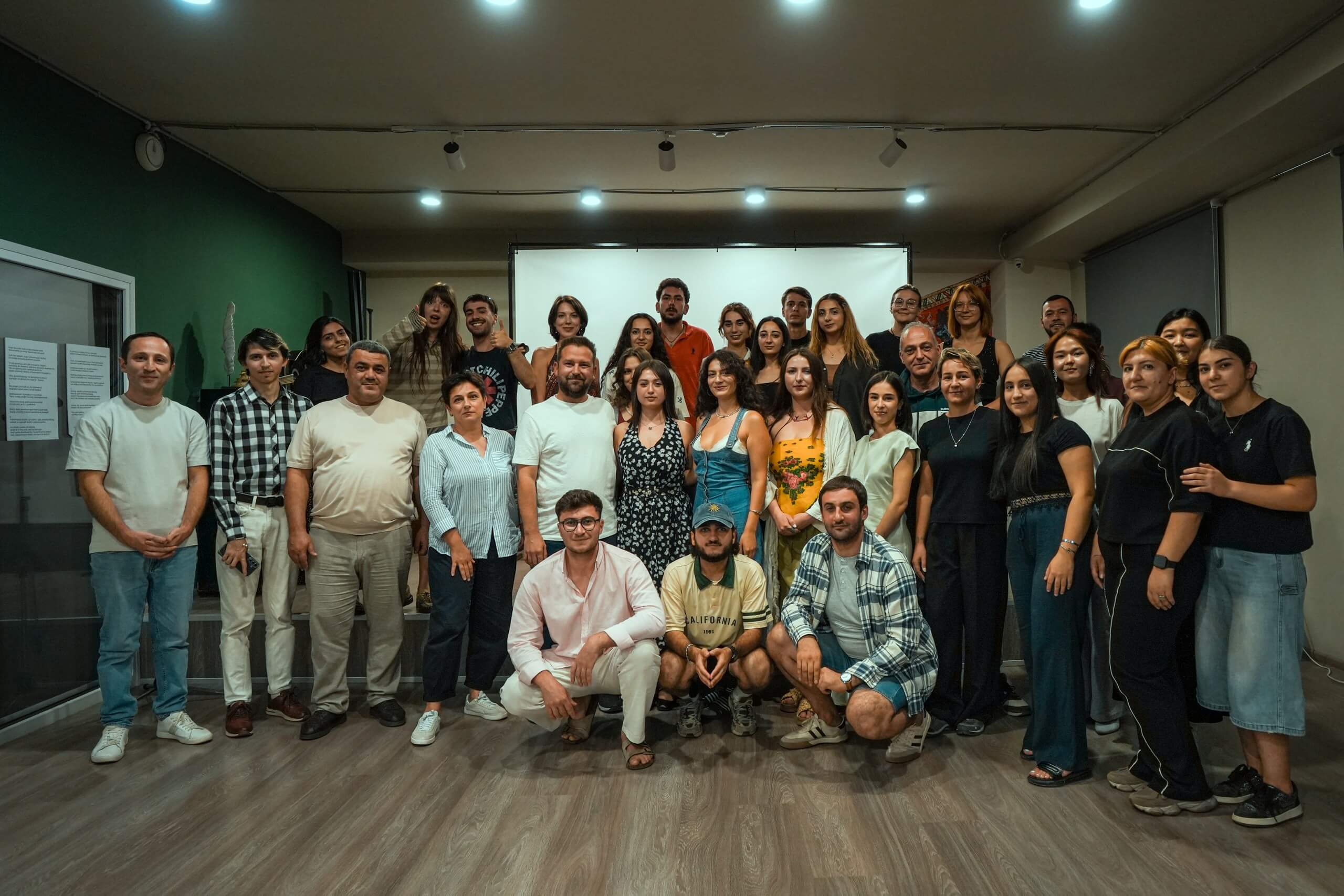
The Commonwealth Countries Film Festival was held in Meghri from September 18 to 20, bringing together emerging filmmakers from Armenia and other CIS countries for three days. The competition programme featured 30 fiction short films: 16 from Armenia and 14 from Russia, Kazakhstan, Kyrgyzstan, Moldova, Tajikistan and Uzbekistan. The festival programme included competition screenings, professional discussions, a retrospective programme, as well as opening and closing ceremonies.
The festival was held as part of the “Meghri — CIS Cultural Capital 2026” programme. Meghri’s status as a cultural capital has provided the framework for around three dozen cultural events scheduled throughout the year in the town and other communities in the area. Among the objectives identified by Armenia’s Ministry of Education, Science, Culture and Sports are not only the presentation of Armenian culture, but also the decentralisation of cultural life, broader access to culture and support for Meghri’s infrastructure development.
The festival was organised by the Arm Film Industry Development Cultural Foundation with the support of the Ministry of Education, Science, Culture and Sports of the Republic of Armenia and the Interstate Fund for Humanitarian Cooperation of the CIS Member States. The programme was also supported by Meghri Municipality, the Meghri Sports and Cultural Centre, the LOFT Meghri youth centre and Dark. Admission to all festival events was free.
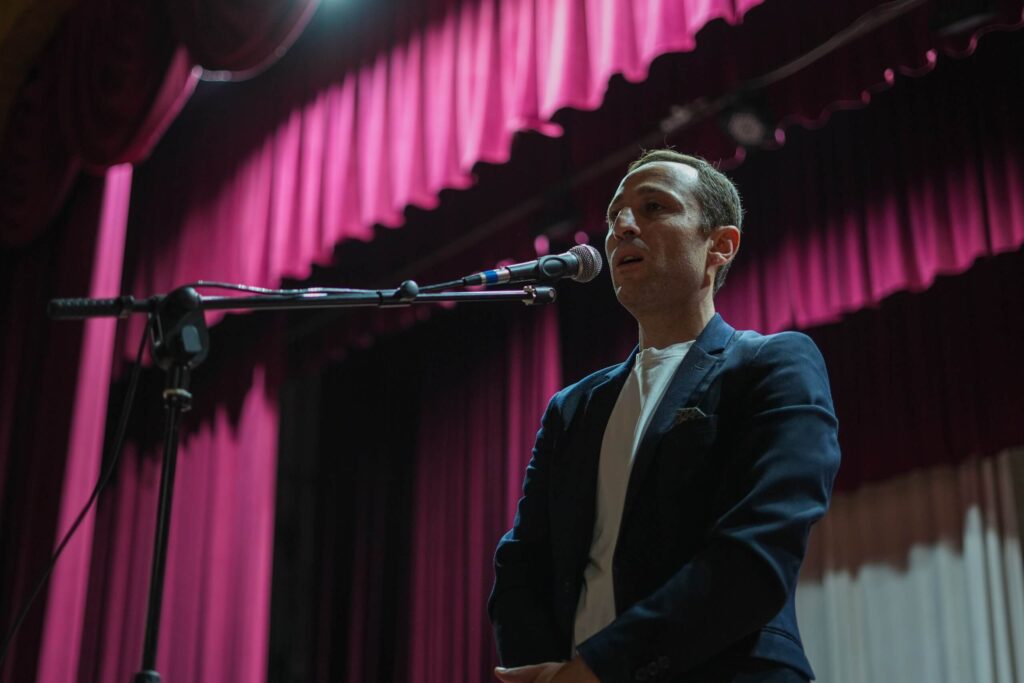
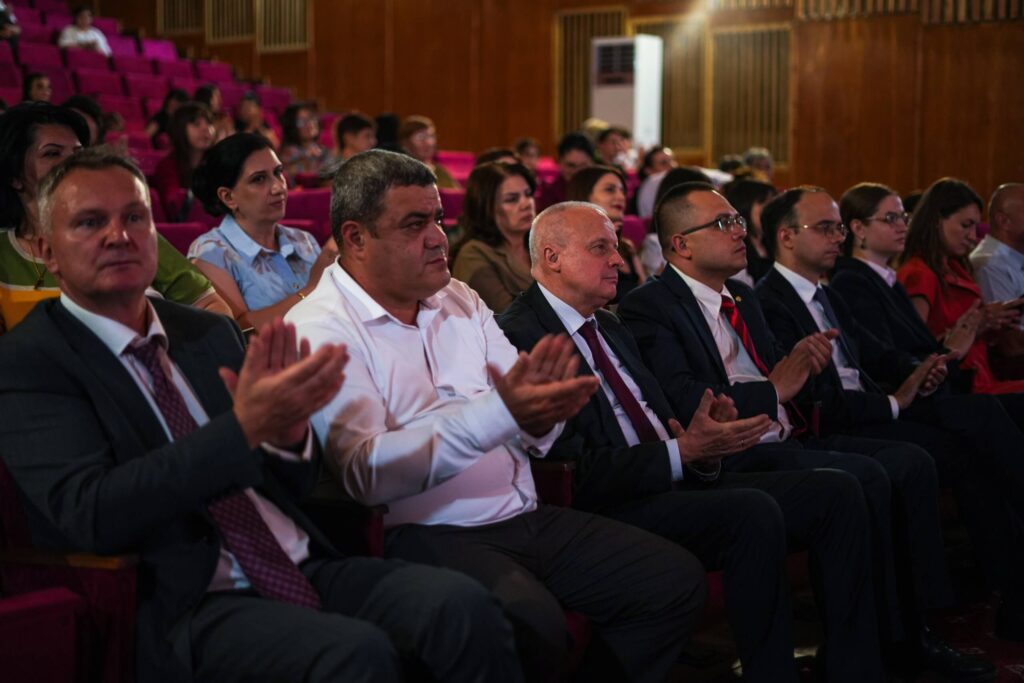
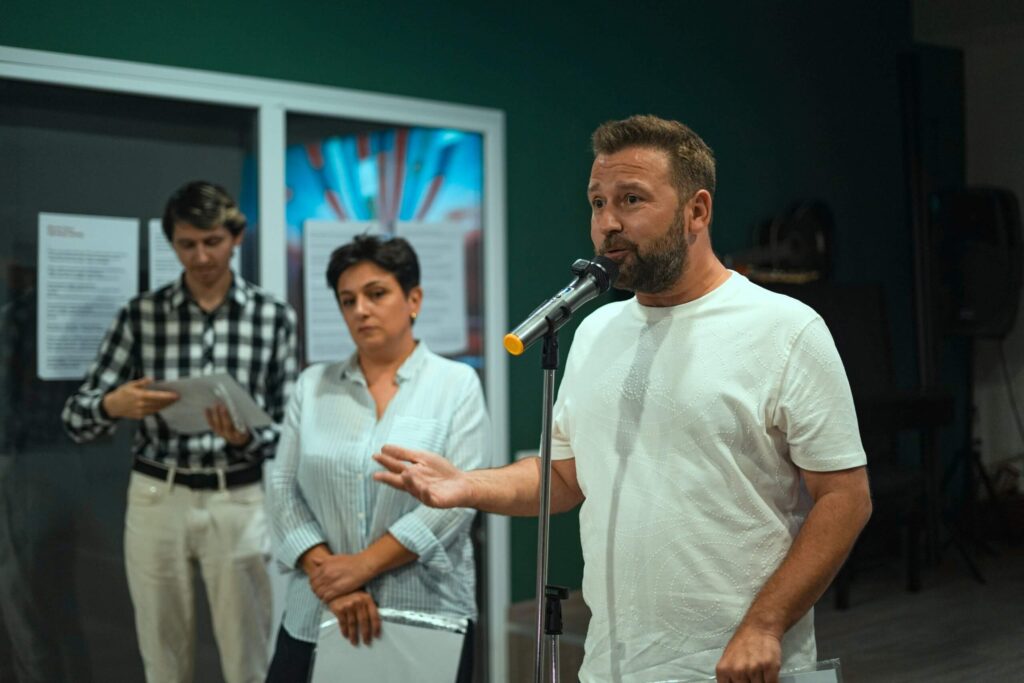
The official opening took place on September 18 at the Meghri Sports and Cultural Centre. Russian Ambassador to Armenia Sergey Kopyrkin attended the ceremony, joining the festival opening at the end of his visit to Armenia’s Syunik Province. Filmmakers and competition participants from several countries also travelled to Meghri, turning the event into a platform not only for screenings but also for direct professional exchange.
Competition screenings continued on September 18 and 19. Key themes of the professional programme included opportunities for international co-production and the impact of artificial intelligence on contemporary cinema. A panel discussion held on September 19 focused specifically on these two areas.
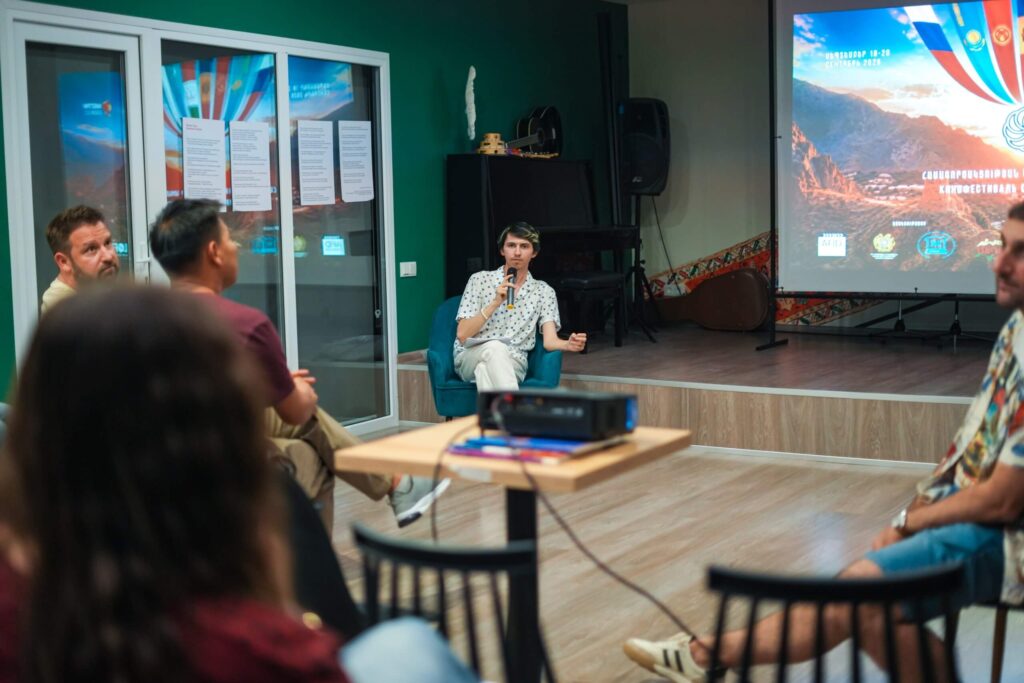
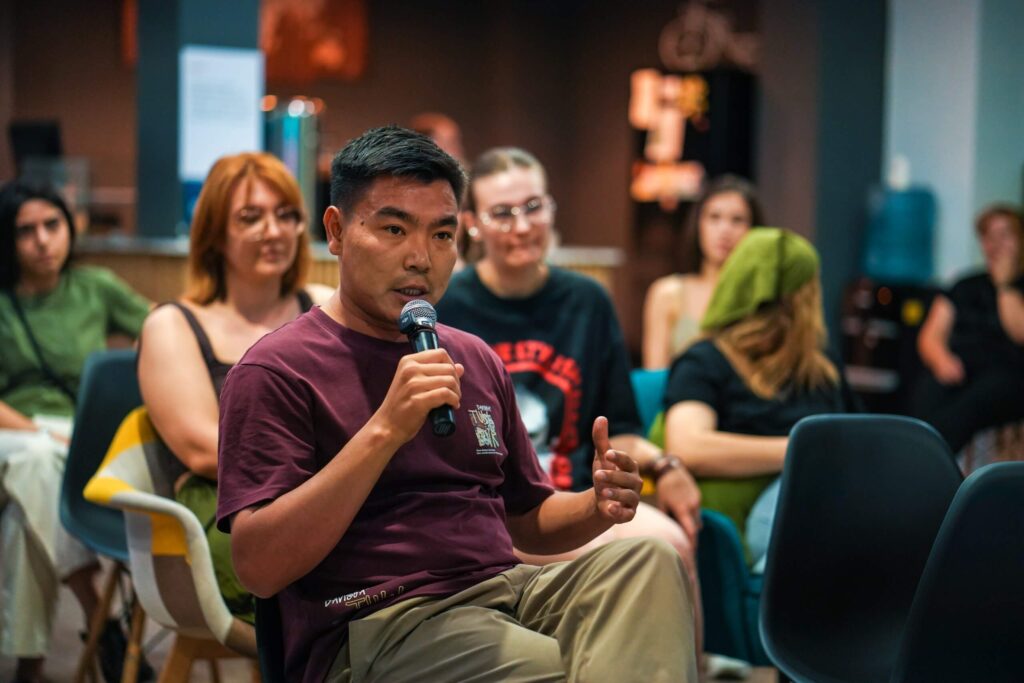
The discussion was moderated by KinoPress editor-in-chief Sergey Ovsepyan. It addressed changing models of international collaboration in the film industry, current challenges facing emerging filmmakers, opportunities for co-production between CIS countries, and the ways in which artificial intelligence technologies are already influencing contemporary film production and creative processes.
The festival’s professional jury consisted of filmmaker Diana Kardumyan, who served as jury president, filmmaker Mikhail Morskov, and KinoPress editor-in-chief Sergey Ovsepyan. Over the two competition days, the jury evaluated the short films presented in the festival programme.
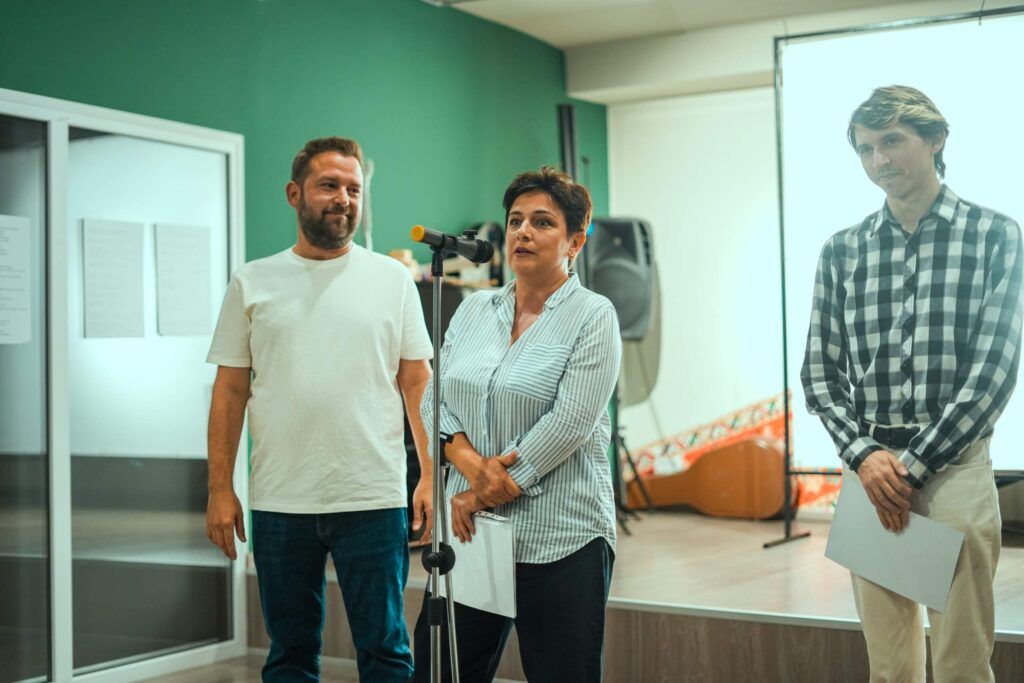
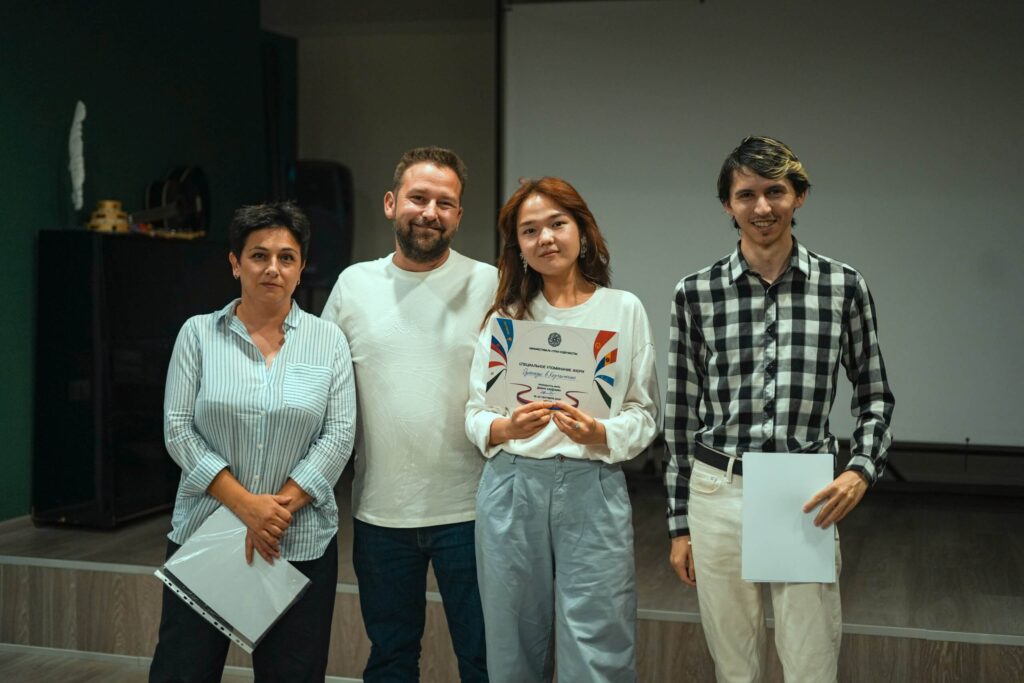
The festival’s Best Film award went to Sacred Nest, directed by Sarytoka Amantay and representing Kazakhstan. Karen Martikyan received the Best Director award for the Armenian film DavidYan. The Jury Special Prize went to Lukhtak, directed by Samariddin Mukhitdinov of Tajikistan. Jury Special Mentions were awarded to Oleg Yershov’s Russian film Forest. A Little Tragedy, Aray Karimova’s Kazakh film Once Upon a Time in Korgalzhino, and the Armenian film Resonance, directed by Lucy Vardanyan. All of the films were screened as part of the festival competition on September 18–19.

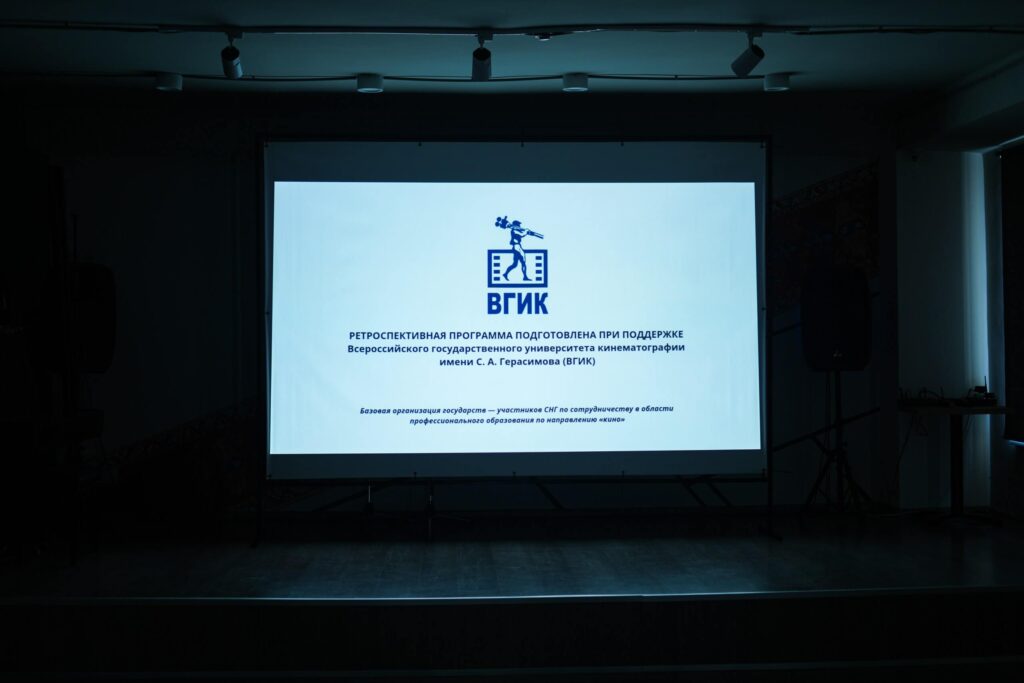
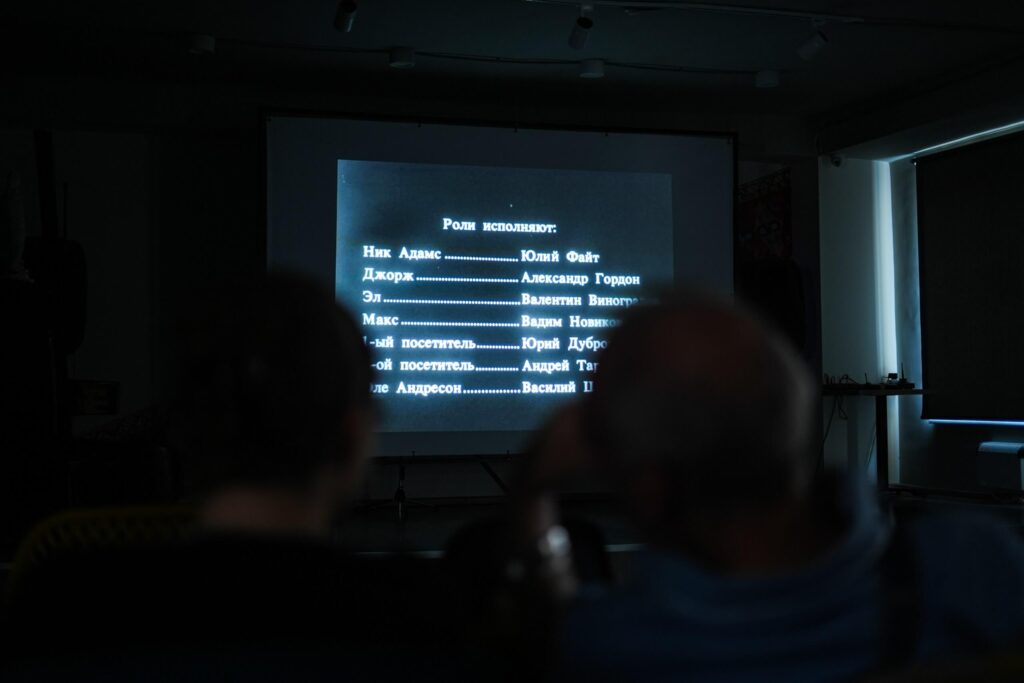
On the festival’s final day, September 20, audiences were also presented with a nearly two-hour retrospective programme featuring works by established filmmakers from CIS countries. The programme was developed in cooperation with the Gerasimov Institute of Cinematography, VGIK. VGIK and Armenia’s Ministry of Education, Science, Culture and Sports assisted with the organisation of the retrospective and the provision of films.
The festival in Meghri thus combined a competition for emerging filmmakers, professional discussions and an opportunity to revisit the cinematic heritage of the region. At the same time, professional dialogue around cinema moved beyond Yerevan to a southern Armenian border town, reflecting the broader decentralisation goals of the “Meghri — CIS Cultural Capital 2026” programme.